
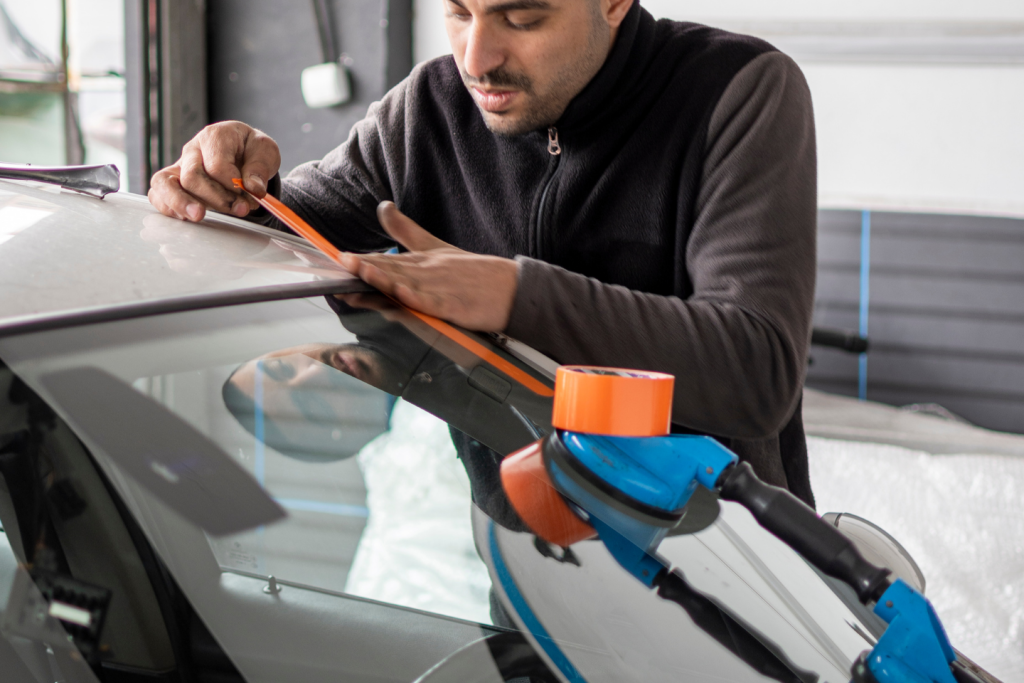
A cracked windshield does not wait for a convenient day, and neither should a repair. Mobile auto glass repair in Rock Hill SC brings a trained technician, the right tools, and a full safety process directly to a driveway, office lot, or roadside spot. This guide walks through the equipment used, how a mobile setup comes together, and the safety standards a shop like Beam Auto Glass follows on every visit.
1. What Is Mobile Auto Glass Repair?
Mobile auto glass repair is a service where a technician travels to a vehicle instead of asking the driver to visit a shop. A van or truck carries every tool needed for a chip repair or a full windshield replacement, and the work happens wherever the car is parked.
Common locations for mobile service:
- Home driveways
- Office parking lots
- Apartment complexes
- Roadside pull-offs, when safe to do so
This setup saves drivers a trip and keeps daily routines on track. Rock Hill residents with busy schedules often choose mobile auto glass repair over a shop visit for this reason alone.
2. What Equipment Does a Mobile Technician Carry?
A mobile repair van functions like a small glass shop on wheels. Each piece of equipment plays a specific role in a clean, safe repair.
Standard mobile equipment includes:
- Resin injection kits for chip and crack repair
- UV curing lights to harden resin quickly
- Suction cup handling tools for glass removal and placement
- Cold knives and cut-out tools for old adhesive removal
- Urethane adhesive and primer for windshield replacement
- Protective covers for the vehicle interior and paint
- Portable power sources for tools that need electricity
Each tool travels in a stocked van, so a technician rarely needs to leave mid-job for a missing part. This keeps the repair moving without delay.
3. How Does a Mobile Setup Work On-Site?
A technician follows a clear sequence once they arrive at a location. This order protects the vehicle, the glass, and the surrounding area.
Typical setup steps:
- Park the service van close to the vehicle, with room to open doors and access tools
- Inspect the windshield or window damage in daylight or with a portable light
- Lay down protective covers over the dashboard, seats, and hood
- Clean the damaged area to remove debris before starting the repair
- Set out tools in the order they will be used, to keep the process smooth
A flat, stable surface works best for this kind of work. Technicians serving Rock Hill often ask drivers to park on level ground when possible, since a tilted surface can affect adhesive curing during a replacement.
4. What Safety Standards Apply to On-Site Repairs?
Safety shapes every part of a mobile repair, from the tools used to the weather conditions checked before a job begins.
Core safety standards include:
- Weather checks: Technicians confirm temperature and moisture levels before starting, since extreme heat or rain can affect adhesive bonding.
- Eye and hand protection: Gloves and safety glasses guard against glass fragments and resin exposure.
- Vehicle stabilization: Wheels are chocked or parked on flat ground to prevent movement during glass removal.
- Adhesive cure time: Replacement windshields need a set amount of time to bond before the vehicle can be driven, and technicians communicate this clearly to the driver.
- Work zone awareness: For roadside repairs, cones or hazard lights mark the area to alert passing traffic.
These standards protect both the technician and the vehicle owner. A shop that follows them closely, like Beam Auto Glass, builds trust with every repair completed in a driveway or parking lot.
5. Why Season Matters for Mobile Glass Repair
As summer heat in Rock Hill gives way to cooler fall mornings, outdoor conditions shift in ways that affect adhesive and resin performance.
Seasonal factors technicians watch for:
- Morning humidity, which can slow resin curing
- Afternoon heat, which speeds up urethane bonding but can shorten working time
- Sudden temperature drops in early fall evenings, which affect glass expansion
- Shorter daylight hours, which shift scheduling toward earlier appointments
Booking a repair before the fall temperature swings begin can help a chip or crack get fixed under stable outdoor conditions.
6. What Should a Driver Prepare Before a Mobile Visit?
A small amount of preparation helps a mobile repair move quickly and smoothly.
Steps to take before the technician arrives:
- Park the vehicle on flat, level ground
- Clear the area around the vehicle for easy access
- Remove personal items from the dashboard and windshield area
- Note the exact location and size of the chip or crack
- Plan for a short wait time if a replacement needs adhesive curing
A little preparation on the driver’s side speeds up the visit and gives the technician a clear, safe space to work.
7. Getting Mobile Repair Scheduled in Rock Hill
Mobile auto glass repair in Rock Hill SC combines the right tools, a careful setup process, and clear safety standards to bring a shop-quality repair to any location. From resin kits and UV lights to weather checks and cure times, each step protects the vehicle and the person driving it.
A chip or crack left unattended tends to grow, especially as the season changes. Get started today and schedule a visit that fits your driveway, your parking lot, or your daily route, without the trip to a shop.


